


Journal
How to Experience a Place, Not Just Visit It

There is a version of travel that leaves you with photographs and a vague sense of having been somewhere. And there is another kind — rarer, harder to plan for — where a place actually gets under your skin.
The difference is rarely about budget or duration. It is about attention. About the quality of engagement you bring to a destination and the willingness to follow curiosity beyond the obvious.
Begin with the market, not the monument
Every destination has its official attractions. They exist for a reason, and many are worth seeing. But a morning at a local food market will tell you more about a culture than most museums.
Observe what people buy. How they greet the vendors. What is piled high and what is sparse. The smell of fresh bread, dried herbs, fish caught that morning. A market is a living document of how a place eats, trades and connects. It is also, frequently, the best place to eat breakfast.
Follow the light, not the guidebook
The most photographed places in any destination are photographed because they are beautiful. But they are also crowded, performed and, after the first few moments, strangely hollow.
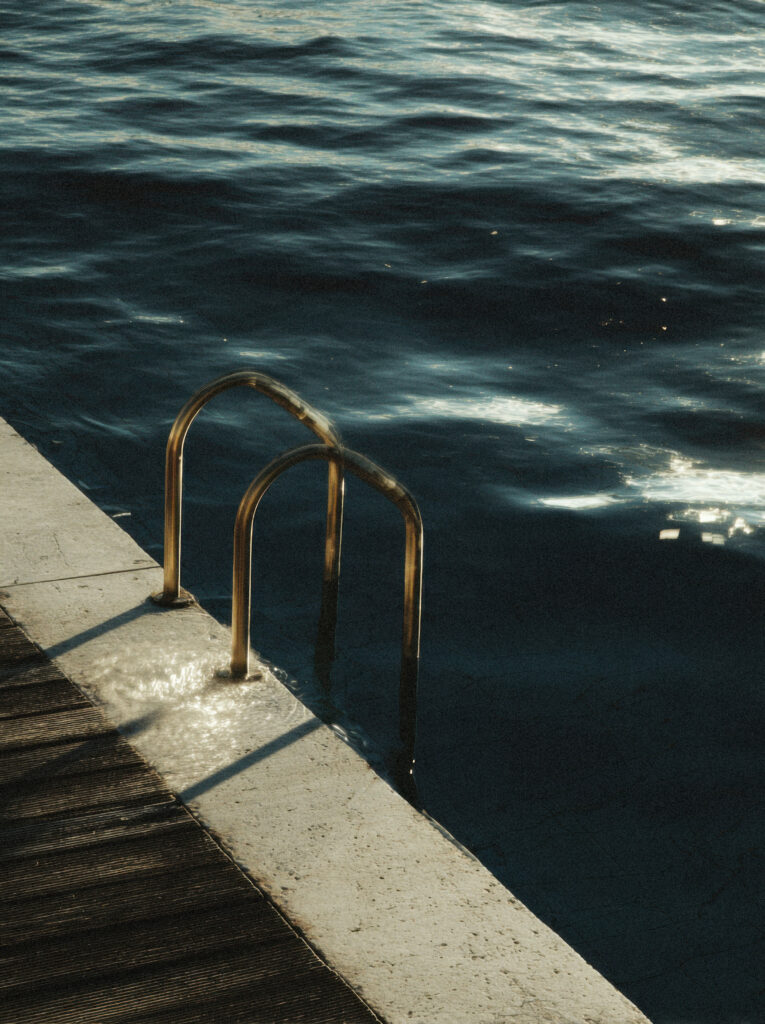
Walk instead toward where the light is good and the streets are quiet. Coastal towns in early morning. Hillside villages at dusk. Backstreets during the afternoon siesta when the tourists have retreated and the cats have taken over.
These moments do not appear in guidebooks because they cannot be scheduled. They require presence and an unhurried pace.
Learn three words in the local language
Not three hundred. Three. Good morning. Thank you. This is delicious. Spoken imperfectly, with genuine intention, these words open doors that confidence and English cannot.
People respond to effort. Not to performance — to sincerity. The attempt to speak someone’s language, however briefly, signals a quality of respect that is universally recognised and almost universally returned.
Find the local ritual and observe it
Every culture has its daily rituals: the evening paseo, the midday meal that stretches for hours, the aperitivo hour, the Sunday market, the weekly fish auction at the harbour. These are not tourist experiences. They are just life — and watching them, participating quietly in the edges, is one of the most intimate ways to understand a place.
Ask your hosts where locals go. Not for a recommendation, but for knowledge. Where do you go on a Sunday? Where do the fishermen eat? Where would you take your family for a celebration? These questions lead somewhere real.
Visit the places that belong to the place
Alongside the architectural landmarks, every destination holds smaller structures that are equally revealing: the old washhouse at the edge of the village, the abandoned olive press, the chapel that nobody can quite explain the origin of, the harbour wall where old men gather every evening with no apparent agenda.
These places carry memory. They do not require an entrance fee or a guided tour. They ask only for time and attention.
Read something set in the place you are visiting
Before or during a stay, find a novel, a collection of essays or a work of non-fiction that is rooted in the culture or landscape you are moving through. Not a travel guide — literature. Fiction that imagines lives lived in the same light and heat you are experiencing. History that gives weight to the walls around you.
Reading changes the way a place looks. It adds layers that cannot be photographed.
Stay long enough for the ordinary to appear
The rhythm of a place reveals itself slowly. In the first day or two, everything is novel. By the third or fourth day, you begin to notice the particular quality of the late afternoon. The way the light falls in the same spot each evening. The vendor who is always there at the same time, in the same position. The daily newspaper left on the same café table.
This is the register of the ordinary — and it is only available to those who stay long enough to see it. Weekend trips rarely reach this depth. A week, ideally more, is when a destination begins to feel inhabited rather than visited.
Discover our Destinations
Bold
Uluwatu, Bali
Baia
Uluwatu, Bali (opening August 2026)
Zumaïa
Uluwatu, Bali (opening March 2028)
Heritage Villas
Uluwatu, Bali
Heritage Hotel
Uluwatu, Bali (opening August 2027)
Ungu
Uluwatu, Bali (opening September 2027)