




Journal
The quiet architecture of a day: On slipping into the rhythm of somewhere new

There is a moment, usually on the second or third day, when a place begins to feel less like a destination and more like a setting you move within. Nothing significant has changed, and yet everything has softened. The need to arrive, to orient, to define the experience begins to dissolve. What remains is something far more subtle: the shape of a day, unfolding without instruction.
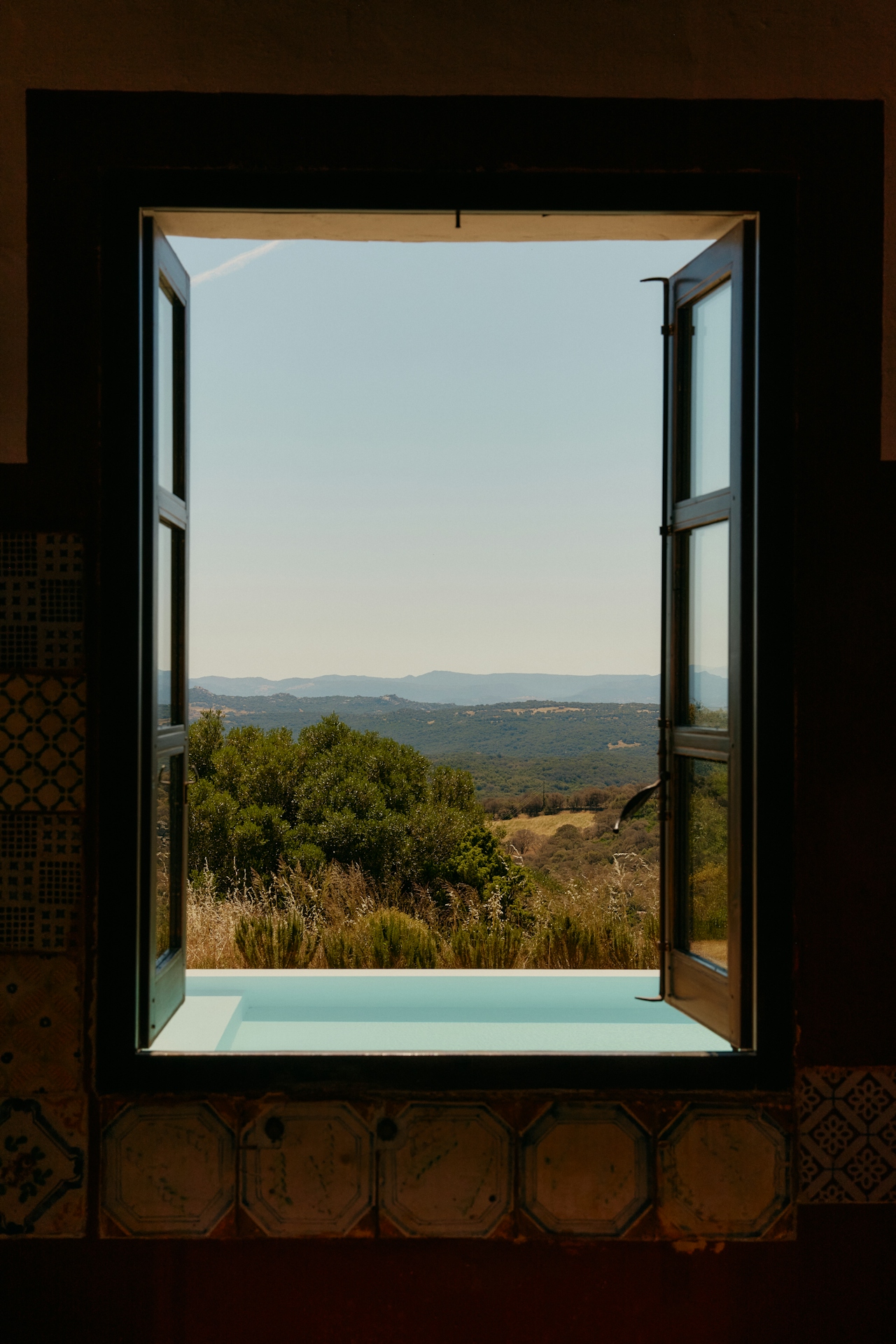
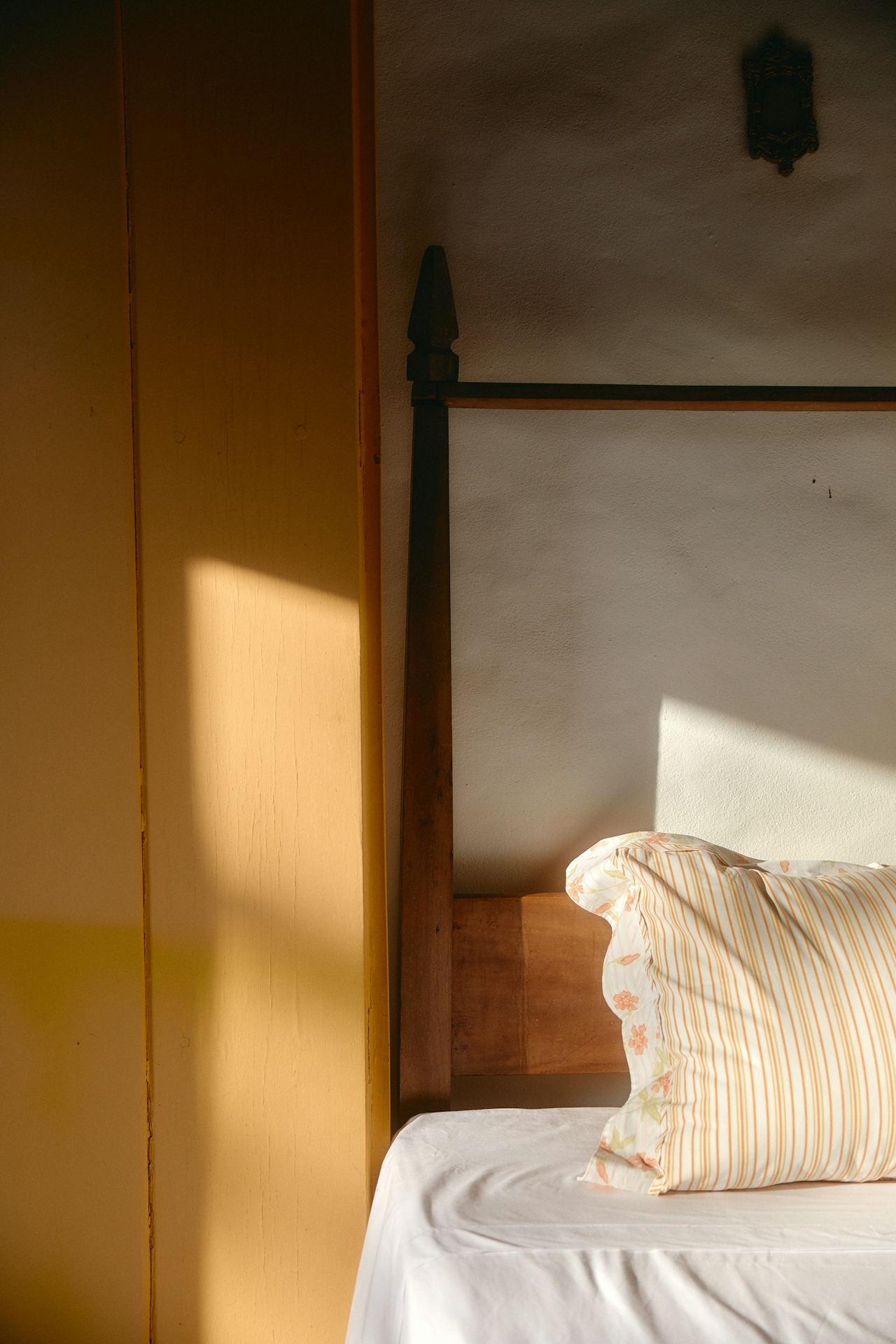
Morning comes gently in places that understand it well. Light enters before you are fully awake, diffused through curtains, across textured walls, settling into the room without urgency. There is no abrupt beginning. Coffee is taken slowly, often in the same place each day, not out of habit but because it feels right. Outside, the first movements of daily life are already underway, unannounced and unperformed. A door opens. Someone sweeps a path. The air is still carrying the coolness of the night.
It is in these early hours that a place feels most honest. Before it adapts to visitors, before the day gathers pace. You begin to notice how little is rushed. How actions are completed fully, then left behind. There is a clarity to this kind of movement, a quiet precision that does not draw attention to itself.
As the morning stretches, the day opens rather than accelerates. Time expands in small, almost imperceptible ways. A breakfast becomes a longer conversation. A short walk extends without reason. There is no clear line between one part of the day and the next, only a gradual transition shaped by light, temperature, and appetite.
You find yourself adjusting without deciding to. Moving when it feels natural. Pausing without questioning it. The structure of the day is no longer something you impose, but something you follow.
Afternoons carry a different quality altogether. The light sharpens, the air thickens, and the pace shifts inward. In warmer places, this is not resistance but adaptation. Spaces are designed for it. Shade becomes essential. Interiors hold a certain stillness, a reprieve from the intensity outside.
There is a permission here that often goes unrecognised: to do less without consequence. To rest without needing to justify it. A book left open, a nap that arrives without planning, a stretch of time that passes without being accounted for. These are not interruptions to the day. They are the day, at its most considered.
By late afternoon, the atmosphere begins to change again. The edges soften. Movement returns, but differently. People reappear, not in a rush, but with intention. There is a quiet re-entry into shared space. Conversations begin. Tables fill slowly. The air carries a sense of transition, as though the day is preparing to hand itself over to something more fluid.
Evening is rarely abrupt. It unfolds in layers. Light fades, but not all at once. Sounds shift gradually. What was individual becomes collective. Meals extend beyond their purpose, becoming something to linger within rather than move through.
There is no urgency to conclude. No need to move on. The night holds its own rhythm, one that is less about activity and more about presence. You stay a little longer than you intended. You notice less, but feel more.
And then, almost without realising it, this rhythm begins to feel familiar. Not because you have learned it, but because you have stopped resisting it.
The most meaningful stays do not offer a new way of living. They reveal a quieter version of the one you already have. One where time is not managed so tightly. Where moments are allowed to extend. Where the structure of a day is guided less by obligation, and more by attention.
It is not something you take with you in a tangible way. But once felt, it has a way of returning.
Discover our Destinations
Bold
Uluwatu, Bali
Baia
Uluwatu, Bali (opening August 2026)
Zumaïa
Uluwatu, Bali (opening March 2028)
Heritage Villas
Uluwatu, Bali
Heritage Hotel
Uluwatu, Bali (opening August 2027)
Ungu
Uluwatu, Bali (opening September 2027)