

Journal
The Moments That Stay: On Curating Experiences That Actually Mean Something
Most travel experiences follow a familiar arc: plan, arrive, tick off, leave. Nothing is wrong with this, exactly. But it produces a particular kind of memory — thin, visual, already fading on the flight home.
The experiences that stay are different in kind. They involve the body, or a person, or a moment of genuine surprise. They happen slightly off the expected route, or at an unexpected hour, or between strangers who shared something briefly and honestly.
They cannot be fully planned. But they can be sought.
Go early, or go late
Most popular experiences — a boat trip, a coastal hike, a visit to a historic site — are best experienced outside the peak hours. Not for the photographs, but for the quality of attention they allow.
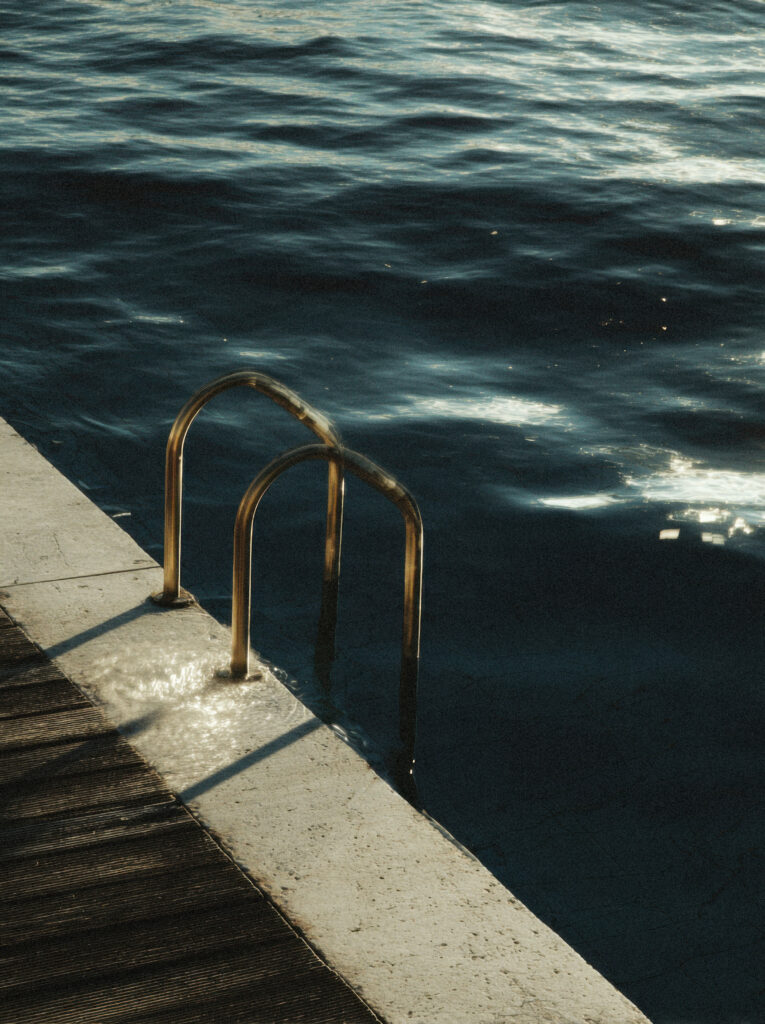
Sunrise at a coastal ruin. A night swim under a sky with no light pollution. A midweek evening at a restaurant where the chef comes out to ask how you are eating, because there are only six tables and they have time.
The same place at a different hour is often a different place entirely.
Accept the invitation you did not expect
Travel has a quality of opening things up — social structures loosen slightly, the usual filters come down. People speak to strangers. Invitations are extended.
When an unexpected invitation appears — to share a table, to see a boat at dawn, to join a family gathering at the edge of a festival — say yes more often than your instinct suggests. These moments are rarely as awkward as they seem in prospect, and frequently become the story you tell for the next ten years.
Eat at the table with no menu
In many Mediterranean destinations, the best meal available is not at a restaurant with an Instagram presence. It is at a family-run kitchen where the menu is whatever was cooked that day, brought to the table without discussion, eaten without ceremony, and paid for by whatever seems right.
These places are harder to find. They require a local recommendation, some walking, some tolerance for the unexpected. They are almost always worth it.
Take a boat
Water changes a destination. The same coastline looks entirely different from the sea — the scale of it, the relationship between the built and the natural, the quality of the light on the water in the early afternoon.
A local fishing boat trip, a sailing day, a water taxi that does not follow a tourist route — these offer a perspective on a place that cannot be had from land. Book something small, with someone local.
Find the craft
Most destinations have a material culture that is slowly disappearing: a particular kind of pottery, a weaving tradition, a cheese made in a way that predates refrigeration, a woodworking technique specific to the forest nearby.
Seek out the people who still practice these things. Many of them welcome visitors not because they are selling anything, but because the act of making is the thing, and having someone witness it with genuine interest is its own form of exchange.
“The most meaningful experiences rarely appear in the itinerary. They arrive in the gap between one thing and the next.”
Resist the temptation to document everything
This is not an argument against photography. It is an argument for choosing what to photograph, and for putting the phone away for the hour that follows.
The act of recording an experience creates a slight distance from it. You become the documentarian rather than the participant. There is a role for this — and a time when the right response is simply to be present, unrecorded and undistracted.
The moments you remember most vividly are often the ones you did not photograph.
Discover our Destinations

Bold
Uluwatu, Bali
Baia
Uluwatu, Bali (opening August 2026)
Zumaïa
Uluwatu, Bali (opening March 2028)
Heritage Villas
Uluwatu, Bali
Heritage Hotel
Uluwatu, Bali (opening August 2027)
Ungu
Uluwatu, Bali (opening September 2027)